


News
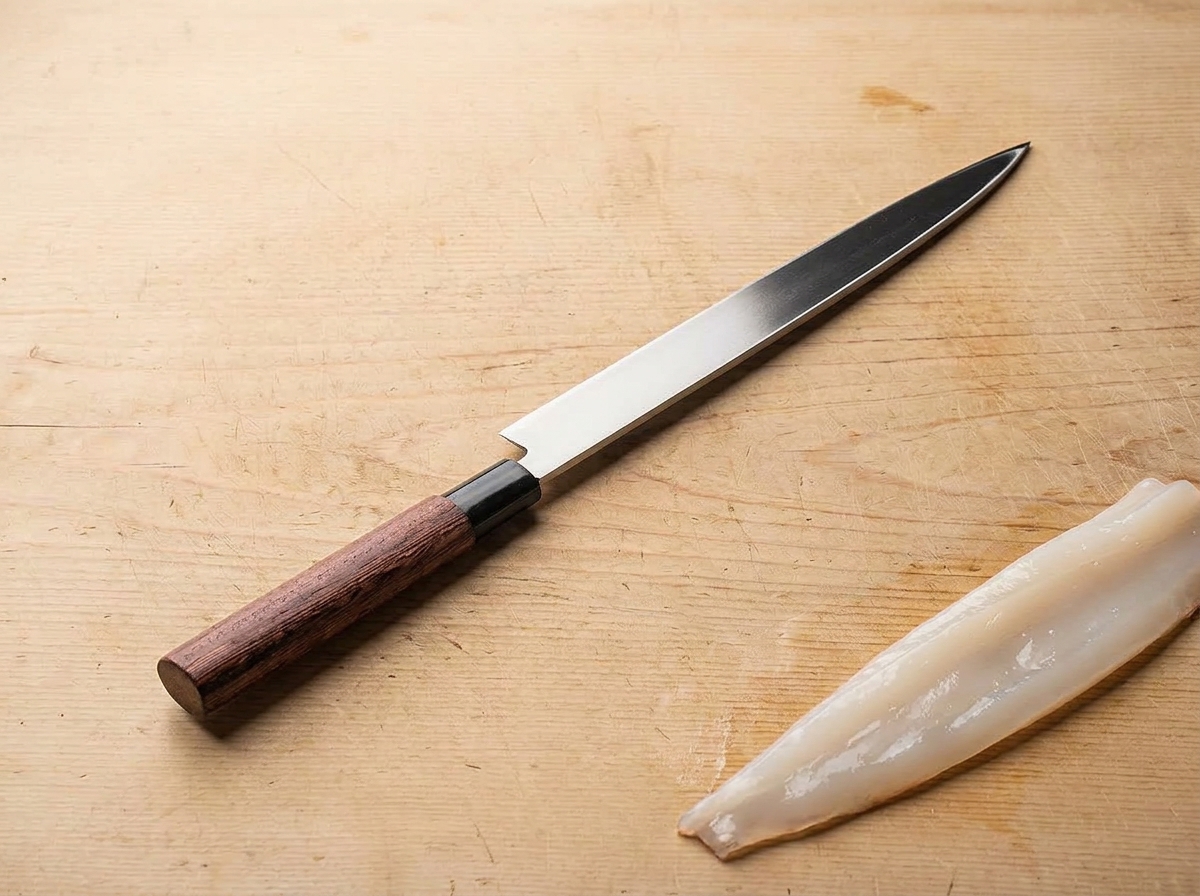
Over 100 years of Ishizuchi tradition – Yanagiba made of carbon steel waiting for its first cut.
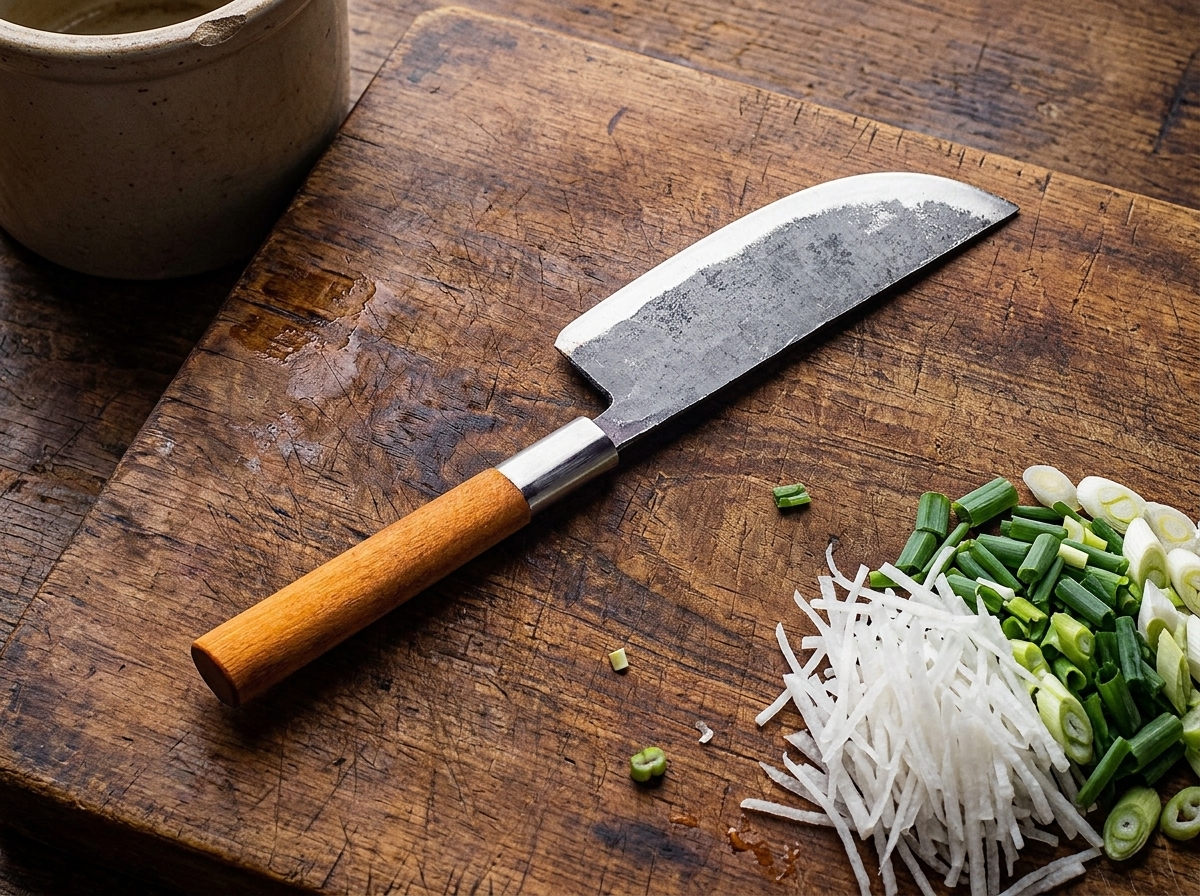
A traditional knife from the field to the kitchen - an interesting alternative to the classic Nakiri.

Compact and agile, with an Aogami core - for those who know that a small knife is not a compromise.
Universal knives


Vegetable knives
-

Nakiri Seki Magoroku Ashikaga carbon steel 17cm
Promocja! Original price was: 199,00 zł.149,00 złCurrent price is: 149,00 zł. (≈ €34) Dodaj do koszyka -
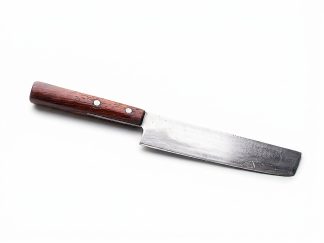
Nakiri Genkō Warikomi carbon steel 17cm
149,00 zł (≈ €34) Dodaj do koszyka -
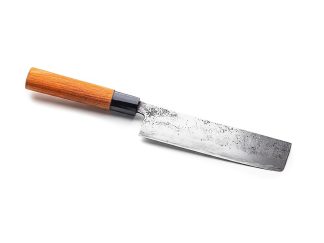
Nakiri Kawahara carbon steel 17cm
299,00 zł (≈ €68) Dodaj do koszyka -

Nakiri Hana Satsuki steel Shirogami 16.5cm
349,00 zł (≈ €80) Dodaj do koszyka
Slicing knives
-
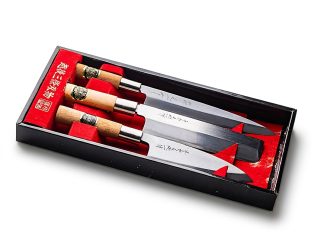
Echigo Sanjō Yoshisada Carbon Steel Knife Set of 3
999,00 zł (≈ €229) Dodaj do koszyka -

Sujihiki Eihaku stainless steel 20.5cm
249,00 zł (≈ €57) Dodaj do koszyka -

Sujihiki Tougen Masakane carbon steel 23cm
599,00 zł (≈ €137) Dodaj do koszyka -

Yanagiba Sakai Sadatoshi carbon steel 21cm
349,00 zł (≈ €80) Dodaj do koszyka
Fish and poultry knives
-

Ajikiri Tadafusa carbon steel 12cm
249,00 zł (≈ €57) Dodaj do koszyka -

Yo-Deba Omega Sabun Carbon Steel 27cm
1 199,00 zł (≈ €275) Dodaj do koszyka -

Deba Bunmei Ginchō Yoshikin Stainless Steel 16cm
249,00 zł (≈ €57) Dodaj do koszyka -
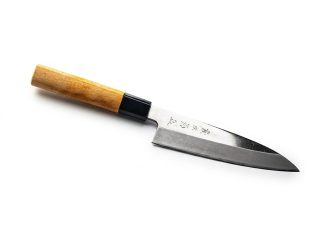
Deba-Funayuki Keiji carbon steel 17cm
449,00 zł (≈ €103) Dodaj do koszyka
See all fish and poultry knives →
FAQ
What if the knife doesn't suit me?
We accept returns within 14 days of receipt, no questions asked—just email us. We only ask that you cover the shipping costs. We will refund your purchase price within 14 days of receipt.
What kind of knife do I need?
It depends on what you want to cut—but if you're new to Japanese knives, a Gyuto (the Japanese equivalent of a chef's knife) or Santoku will cover your 80% kitchen needs. A Deba is great for fish and poultry, a Nakiri for vegetables, and a Sujihiki for slicing meat. Still unsure? Contact us—we'll help you choose the right knife.
What is unique about your knives?
Japanese knives are in a different league—harder steels, thinner edges, and a precision cut you can feel immediately. But our knives have something more: a history. Each one was crafted by masters from the golden age of Japanese blacksmithing—small, family-owned workshops that often no longer exist today. When you buy from us, you're not getting another mass-produced product. You're getting an item with soul, one that's been used somewhere, served a purpose—and deserves a second life in good hands.
Can't find the knife I'm looking for?
Write to us. Describe what you're looking for—type, style, budget—and we'll do our best to find something for you. We have access to sources beyond our regular offerings and are happy to help you assemble your dream collection or find a specific model.
Is carbon steel difficult to care for?
Not at all—a few simple habits are all it takes. After use, hand-wash your knife and dry it immediately—never leave it wet. Do not clean it in the dishwasher. Periodically, rub the blade with a little camellia oil or mineral oil. The dark patina that develops over time is natural and desirable—it protects the steel and reflects the knife's character. Avoid glass, bamboo, and metal cutting boards—they are too hard and will quickly dull the edge. Don't use your knife on frozen foods or hard bones—Japanese carbon steel knives are not designed for this purpose. Carbon steel, in return for this little attention, sharpens more easily and holds an edge better than stainless steel.