
Each of our knives has seen a life—at a fish counter in Tsukiji, in a small tempura bar in Shinjuku, in a ramen kitchen that never closed. We find them, clean them, oil them, and sharpen them, then send them on—to someone who will actually use them. Some show signs of years of use, and that's a good thing.
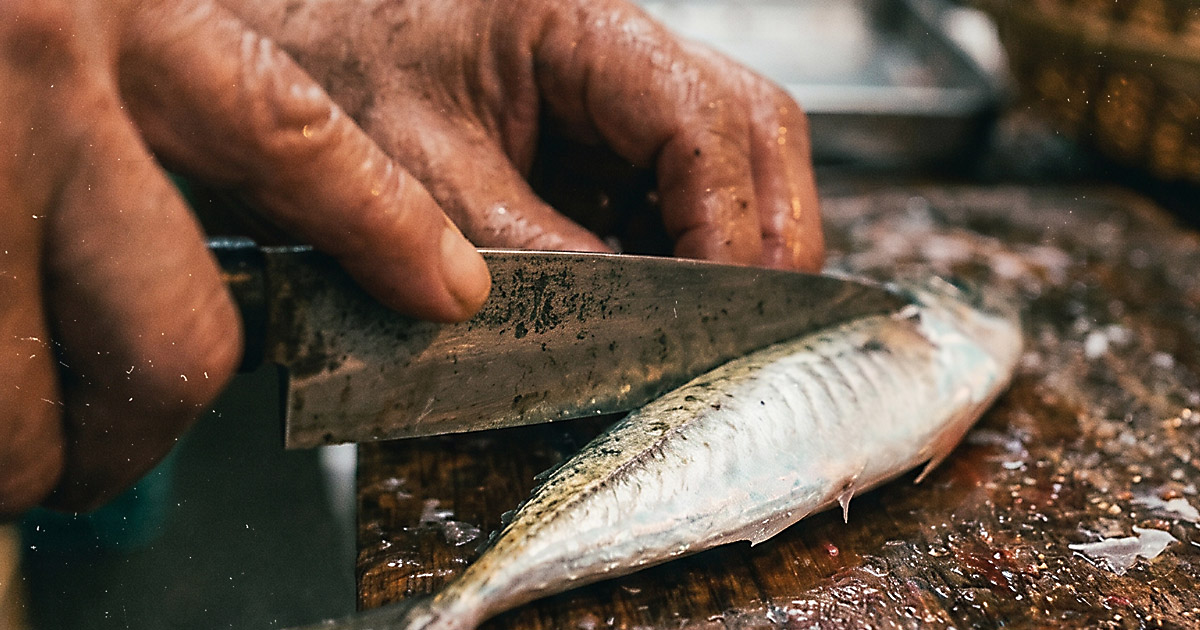
Each knife is one of a kind, no two are alike – these are knives with a history, looking for a new story.
We believe that the best tools don't deserve to be forgotten - and to understand why, it's worth knowing what they're made of and what that means in practice.
Almost every knife you'll find here is made of carbon steel—and that's no accident. Most knives available in stores today, from supermarket sets to mid-range kitchen brands, are made of stainless steel. Stainless steel is practical: rust-resistant, low-maintenance, and looks good on the shelf for years. But this convenience comes at a price. Stainless steel is softer, meaning it doesn't hold as sharp an edge, and once it dulls—and it definitely does—it's harder to bring back to life. You're left with a knife that's never quite sharp enough and never gets any better.
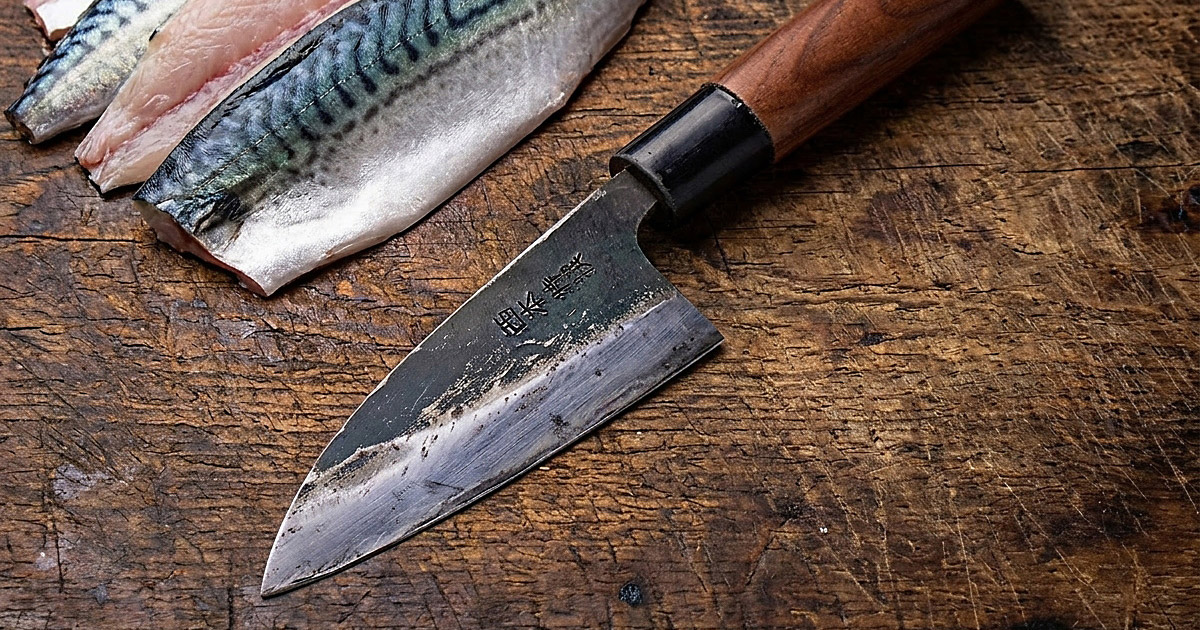
Carbon steel works differently. It's harder, meaning it develops a thinner, more aggressive edge—one that actually cuts, rather than pushes. It also sharpens more easily and predictably on a waterstone, which is why professional chefs and craftsmen have been using it for centuries. The tradeoff is that carbon steel reacts with moisture and acidic foods, developing a patina over time—a dark, uneven layer that's not a defect, but a feature. It protects the steel and deepens with use, making each knife more and more yours.
Japanese knives take this philosophy even further. Where Western knives are thicker, heavier, and ground symmetrically on both sides, Japanese knives are typically thinner, harder, and crafted with far greater precision—often asymmetrically, and often with a single-sided grind. This geometry allows for a level of sharpness that Western knives simply can't achieve. It also demands more respect: carbon steel knives need to be wiped down after use, oiled occasionally, and sharpened on stones rather than a steel. In return, they last for decades, improve with age, and cut in a way that changes the way you approach cooking.
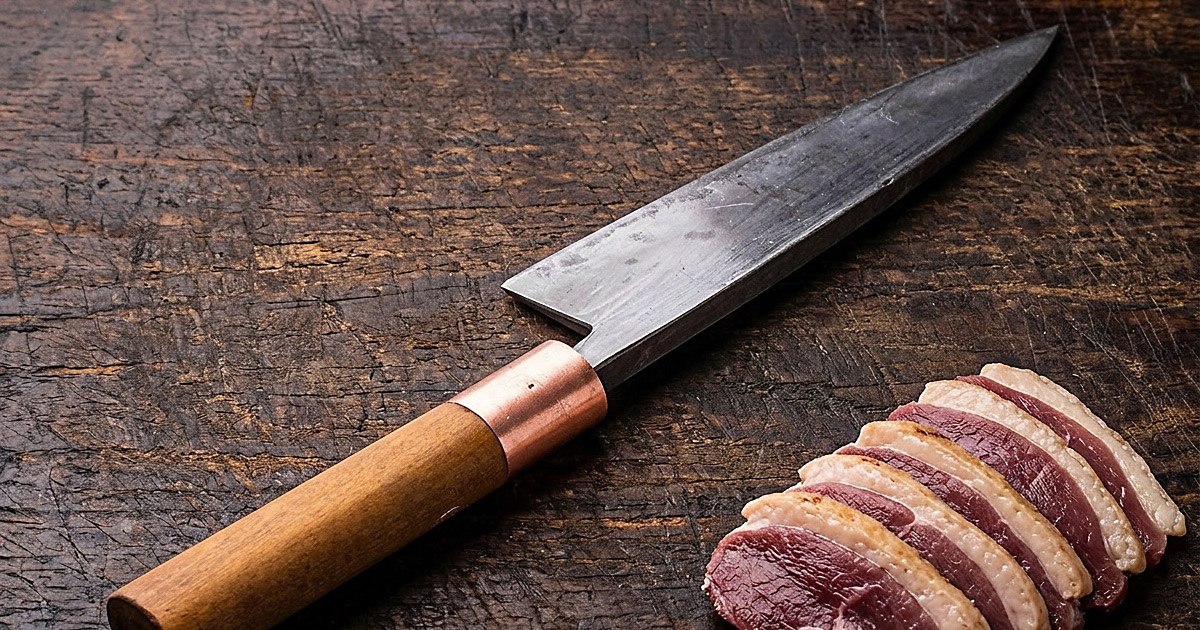
Japanese knives are also much more specialized than their Western counterparts. A Western chef's knife is designed for everything—chopping, slicing, boning, dicing—and for most home cooks, one good knife is more than enough. Japanese knives operate differently: there's a Yanagiba for slicing raw fish in a single stroke, a Deba for butchering whole fish and poultry, a Nakiri for vegetables, a Sujihiki for slicing and dicing meat, a Usuba for exceptionally thin slices. Each is optimized for a single task, with geometry, weight, and grind angle chosen precisely for that purpose. The result is that a Japanese knife in its element outperforms any general-purpose knife—but a serious Japanese kitchen can have six knives where a Western kitchen has two. Whether this is a limitation or a pleasure depends entirely on how you cook.
The knives you'll find here were created in a time when such standards were simply the norm—before mass production reduced everything to the same, stainless steel mediocrity. They were built to last, and most of them did. They just needed someone to find them, clean them, and get them back to work.
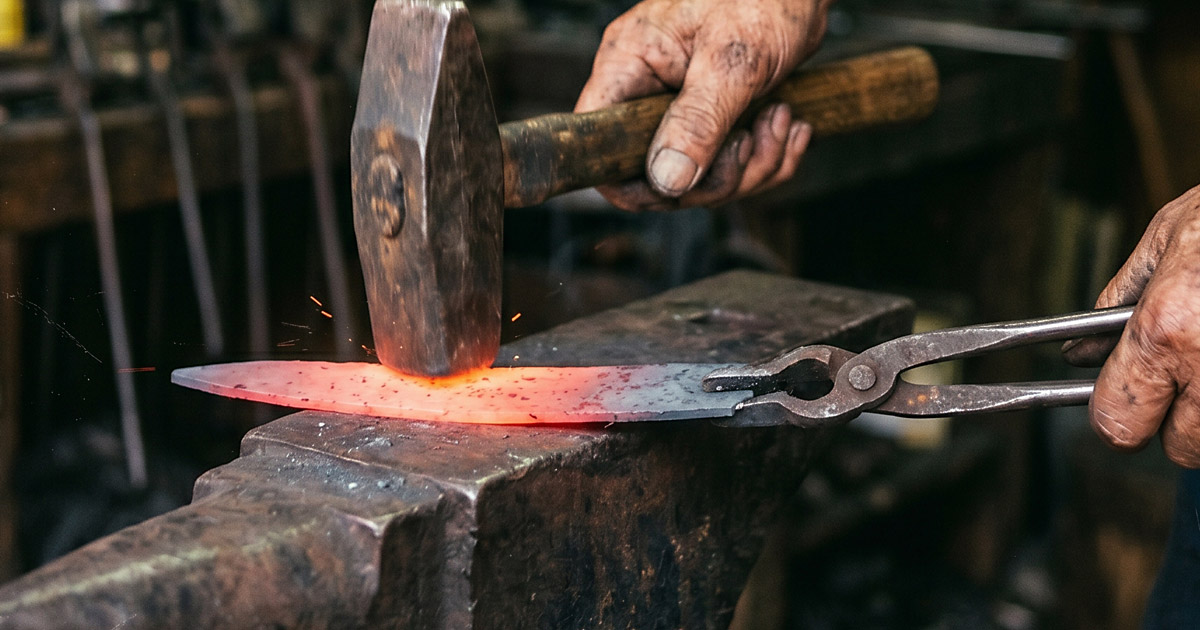
The origin of knives
Most of the knives you'll find here were made in workshops that closed decades ago. Some are renowned, well-documented forges, but many small blacksmiths have vanished into history. Their history dates back to the pre-internet era, which has left us with very little. We strive to thoroughly research the inscriptions (kanji) and origins of each knife, but please be understanding of any errors or misinterpretations. We do our best to provide you with as much information as possible.
Condition of knives
Most of the knives you'll find here have been used—some for years or even decades. We always disclose any significant flaws in the description, but please also note that these knives are not new. They may have minor scratches, signs of use, water marks, or other cosmetic imperfections—these don't affect the knife's performance, but we ask that you accept their presence.
We are here for you
We want you to choose a knife you'll be truly happy with. If you have any questions, need advice, or just want to chat and figure out which knife is right for you, please get in touch. We're happy to help. And if you've purchased something and for some reason you're not satisfied, you have 14 days to return it for a full refund, no questions asked.